Why a Southern Restaurant Experience Is Always Worth It
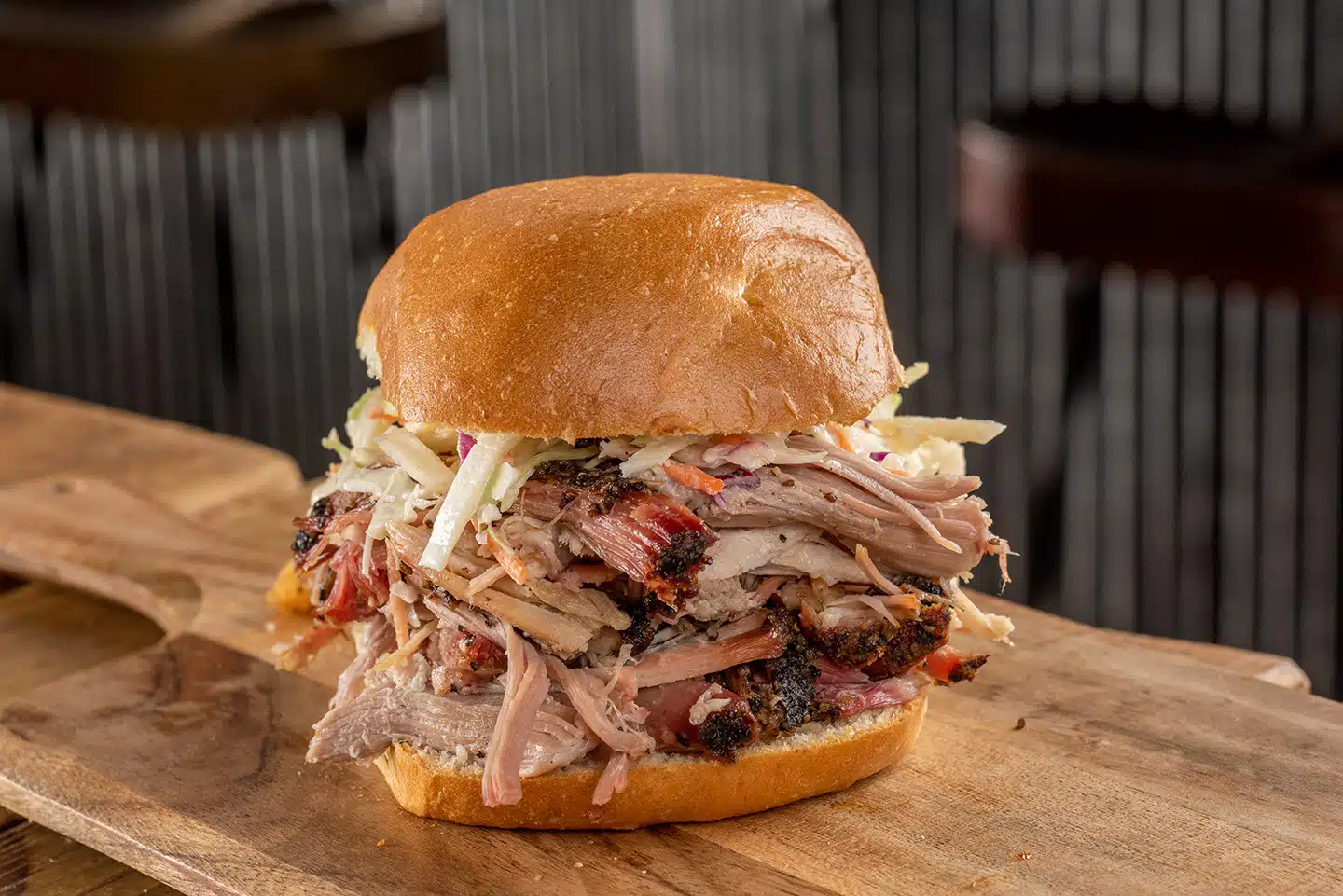
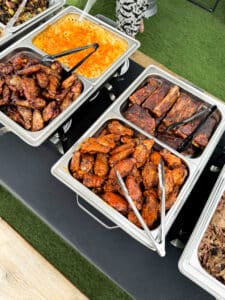

A good Southern restaurant does more than serve dinner. It stages a whole way of being looked after. The food matters, of course, and when it is done right, it can be memorable in the plainest, most lasting sense. A biscuit arrives hot enough to fog the butter knife. Fried chicken lands with a crust that crackles before the first bite. Shrimp and grits taste rich without turning heavy. Banana pudding comes cold from the back and vanishes faster than anyone expected. But the reason people return, and bring other people with them, goes beyond a plate.
Southern dining, at its best, makes generosity visible. You see it in portions, in pacing, in the way the room sounds, and in the instincts of the staff. Someone notices when a tea glass dips below half full. Someone tells you the collards are especially good tonight because the kitchen got a fresh batch in that morning. Someone asks Southern restaurant if you want extra cornbread, and the question feels sincere rather than rehearsed. That level of care is difficult to fake, and once you have had it, you know the difference.
People often talk about Southern food as comfort food, which is true but incomplete. Comfort suggests softness, nostalgia, and familiarity. A Southern restaurant can certainly provide all three, yet the real draw is depth. The cuisine carries history, adaptation, thrift, celebration, and regional pride. It can be humble and technically demanding at the same time. It can look simple on the table while requiring years of experience in the kitchen to get right. That tension is part of what makes the experience worth seeking out.
Hospitality that feels practiced, not performed
There is a difference between service and hospitality. Service is transactional. Hospitality is interpretive. It reads the table, anticipates mood, and adjusts without making a production out of it. Southern restaurants tend to excel at that second part when they are run well.
The best servers in these dining rooms often work with a kind of relaxed precision. They are not hovering, but they are present. They know when a business lunch needs speed and when a family meal needs room to unfold. They can steer a first-time guest toward the kitchen's strengths without sounding like they are reciting a sales pitch. That takes experience, and it also takes a culture that values people as much as plates.
Many restaurant groups talk about hospitality, yet Southern establishments often bake it into the identity of the place. It starts at the host stand and extends all the way to the check. Water gets refilled without fanfare. Special requests are handled with grace unless they truly compromise the dish. Kids are treated like guests rather than obstacles. Older regulars are greeted by name. None of this is glamorous, but it is memorable because it changes how the meal feels.
That sense of welcome matters even more when a restaurant is busy. Any place can seem charming on a slow Tuesday at 2:30. The real test comes on a Friday night with a full dining room, a crowded bar, and a waitlist pressing at the front door. A seasoned Southern restaurant can still make guests feel seen in that rush. The room may be loud, and the kitchen may be moving hard, but there is often an ease to the interaction that lowers the temperature. You feel like you are in capable hands.
The food rewards patience, skill, and restraint
Southern cooking is sometimes underestimated because it is so familiar in name. Nearly everyone recognizes dishes like fried green tomatoes, pimento cheese, chicken and dumplings, country ham, or pecan pie. Recognition creates a false impression of simplicity. In reality, many Southern classics leave very little room for error.
Take biscuits. People reduce them to flour, fat, and buttermilk, but a biscuit can go wrong in half a dozen ways. Overmix it and it tightens. Underbake it and the center turns pasty. Use poor butter and the flavor falls flat. Hold it too long and all the life goes out of it. The best biscuits are not just tender. They rise with clear layers, carry enough salt to stand on their own, and stay delicate even under gravy or jam. That does not happen by accident.
The same is true of fried food, which is central to many Southern menus and much harder to execute consistently than diners sometimes realize. Good frying depends on fresh oil, disciplined temperature control, proper dredging, and timing that starts the moment food leaves the fryer. Fried catfish should taste clean, not greasy. Chicken should stay juicy beneath a crust that adheres rather than sliding off. Okra should be crisp and vegetal, not limp and gummy. These standards sound basic until you compare a rushed version with one made by cooks who have repeated the process thousands of times.
Then there are the dishes that rely on slow building rather than flash. Gumbo needs a roux with backbone and patience. Braised greens need enough time to deepen without surrendering all texture. Red beans, hoppin' John, or butter beans need seasoning that travels all the way through, not just over the top. Macaroni and cheese sounds straightforward until you meet a version with real structure, proper browning, and a sauce that clings instead of pooling. Southern restaurant cooking often reveals itself this way. It looks familiar, then turns out to be exacting.
A strong kitchen also knows what not to do. It resists the temptation to overload every plate with sweetness, smoke, butter, or heat. Southern food can be rich, but it should not be clumsy. Some of the finest versions are surprisingly balanced. Acid cuts through braised meats. Pickles sharpen fried dishes. Peppery greens keep a creamy main course from feeling dull. A slice of tomato in season, lightly salted, can do as much work as any elaborate garnish. That restraint is a mark of confidence.
Regional variety keeps the experience fresh
One reason a Southern restaurant experience remains worth pursuing is that there is no single Southern table. The South is broad, and the food changes dramatically from one state, city, and subregion to another. Anyone who treats it as one monolithic cuisine misses what makes it interesting.
Lowcountry cooking brings rice culture, seafood, and coastal influences to the foreground. In parts of Louisiana, the menu may lean toward Creole or Cajun traditions, with dishes built on roux, spice, shellfish, and deep local custom. Tennessee and Kentucky might foreground hot chicken, bourbon glazes, biscuits, country ham, or chess pie. In Texas, Southern influences mingle with beef culture and smoke. In the Appalachian corridor, you find a different relationship to beans, greens, cornbread, preserved foods, and game.
Even within a single city, Southern restaurants can take sharply different approaches. One chef may preserve heirloom methods and recipes with near archival devotion. Another may lean contemporary, using local produce and cleaner plating while keeping the flavor logic intact. A third may foreground Black culinary traditions that shaped the region but were too often sidelined in mainstream storytelling. These differences are not cosmetic. They change the meal, the mood, and the meaning.
For diners, that variety is part of the reward. You can return to the category again and again without repeating yourself. One evening calls for a white tablecloth dining room serving refined she-crab soup and pan-seared fish over stone-ground grits. Another calls for a small family-run spot where the meat-and-three changes daily and the peach cobbler is still warm in the pan. Both are Southern restaurants, and both can be excellent for completely different reasons.
The pace invites people to stay present
Not every meal should be leisurely. Sometimes speed is exactly what a day demands. Still, one of the quiet strengths of a Southern restaurant is that it often permits, and sometimes encourages, a more human pace.
This does not mean slow service or inefficiency. It means the meal is allowed to develop. Appetizers are shared. Stories start and veer off. A second round of drinks appears because nobody is in a hurry to leave. Dessert becomes a table decision instead of an afterthought. That pacing matters more than people admit. It creates space for appetite to rise and settle naturally. It gives the room a rhythm.
Many Southern dining traditions grew around gatherings where eating was inseparable from conversation. Sunday dinners, church lunches, fish fries, reunion suppers, holiday tables, porch drinks, late breakfasts that turn into early afternoon, these social patterns shaped expectations. Restaurants inherited some of that cadence. Even modern, polished spaces often hold onto the idea that a meal is an occasion, however ordinary the day may be.
From a practical standpoint, that can make a Southern restaurant especially appealing for celebrations and catch-ups. The menu usually accommodates different appetites. Shared sides and platters make ordering easier for groups. The atmosphere tends to soften formality without becoming careless. People can dress up or not, and the room still works. That flexibility is not trivial. It is part of what makes these places reliable choices for birthdays, visiting relatives, client dinners, and long overdue meals with friends.
Value shows up in more than portion size
Southern restaurants have a reputation for generous portions, and often that reputation is earned. But value is not just about volume. It is about satisfaction, quality, and the sense that the restaurant understands why you came.
A plate that looks abundant but tastes dull is not a bargain. Neither is a menu full of inexpensive filler. True value appears when ingredients are handled with respect and diners leave feeling they got both nourishment and pleasure for their money. In many Southern restaurants, sides play a major role here. You might remember the main course, but you also remember the black-eyed peas, the creamed corn, the roasted Southern restaurant sweet potatoes, the slaw, the field peas, the lima beans cooked down with stock and seasoning until they taste like themselves, only more so.
There is also emotional value, and restaurants ignore that at their peril. People seek places that help them mark time. They want a dependable lunch after a hard week, a holiday-season dinner that feels festive without being stiff, a familiar room to bring parents who are particular eaters, or out-of-town guests who want a sense of place. A Southern restaurant often excels in those roles because it offers both specificity and accessibility. The food has identity, but it is not obscure. The room can feel distinct without excluding anyone.
That said, Southern dining is not immune to the same pricing pressures affecting the whole industry. Seafood is expensive. Labor is expensive. Butter, eggs, and quality meat have all seen volatile costs in recent years. A good restaurant has to navigate those realities without cutting corners that guests can taste. When owners and chefs manage that balance, the result is worth paying for. Diners usually recognize integrity, especially in food built on straightforward flavors.
Memory is built into the experience
Ask people why they love a particular Southern restaurant and they rarely answer with pure analysis. They talk about a smell, a person, a sound, a ritual. They mention the first bite of hush puppies brought to the table before ordering. They remember the sweet tea being cold enough to sweat through the glass. They remember a grandmother approving of the cornbread, which is no small thing in families where cornbread standards were set generations ago.
This is where Southern restaurants distinguish themselves from trend-driven concepts. Trendy places can be exciting, but excitement fades fast when there is no emotional anchor. Southern dining often arrives already carrying meaning. The dishes come loaded with personal and regional associations. Even for people who did not grow up in the South, there is often something legible and grounding about the format. The food is recognizable enough to invite trust and distinctive enough to stay interesting.
For many diners, these meals also become points of continuity across life stages. College students discover the local biscuit spot and return years later with spouses or children. Families argue over whose favorite pie is better, then order both. Travelers make the same dinner reservation every time work brings them through town. This kind of repeat loyalty does not happen because the concept tested well. It happens because the restaurant understands how to create memory through consistency.
A Southern restaurant can be refined without losing its soul
There is still a persistent misconception that Southern food belongs only to casual settings. Casual settings suit it beautifully, but the cuisine also has range. A fine dining Southern restaurant can be every bit as serious, nuanced, and ingredient-driven as any contemporary American or European room.
The challenge is preserving spirit while elevating technique and presentation. When refinement becomes self-conscious, the meal loses the ease that makes Southern hospitality distinctive. When chefs get that balance right, the results can be exceptional. A small plate of country ham with house pickles and benne crackers can say more than a crowded charcuterie board. A carefully cooked piece of trout with succotash and brown butter can feel elegant without turning precious. Bread service with hot biscuits can outshine a more formal basket because it delivers craft and pleasure in equal measure.
The strongest restaurants in this category do not apologize for their roots, and they do not overstate them either. They let quality speak. They source carefully. They season with purpose. They train staff to explain dishes in plain language. They understand that sophistication is not the opposite of comfort. In fact, some of the most sophisticated dining rooms in the South succeed precisely because they make complexity feel effortless.
What to look for if you want the real thing
Not every restaurant using the word Southern earns the label in a meaningful way. Sometimes the menu leans on clichés. Sometimes the room imitates warmth without delivering it. A little judgment helps.
Look first at the details most places cannot fake. Does the bread basket feel like an afterthought, or a point of pride? Do the sides seem interchangeable, or carefully considered? Does the fried food arrive hot and dry, or oily and tired? Does the staff talk about the menu with confidence? These signals usually tell you more than décor.
Seasonality matters too. A serious Southern restaurant often shows respect for produce. Tomatoes should taste like tomatoes when they are in season. Greens should have backbone. Corn should be sweet enough to need very little handling. A kitchen that understands the region pays attention to the calendar, even if the menu stays anchored in classics.
It is also worth noticing who fills the room. Locals returning on ordinary nights tell you something. So do multigenerational tables. So do solo diners at the counter who clearly know what they came for. Popularity alone proves nothing, but patterns matter. Restaurants that become part of local routine usually earn that place over time.
Why people keep coming back
At a certain point, worth is measured not by novelty but by return. A Southern restaurant experience is always worth it because it satisfies on more than one level at once. It feeds appetite, yes, but it also answers a deeper hunger for steadiness, pleasure, and connection. You are not only buying dinner. You are stepping into an environment designed, when done properly, to make you feel restored.
That is true whether the setting is polished or plain. It is true whether the specialty is fried chicken, oyster stew, smoked pork, butter beans, or coconut cake. It is true whether you are passing through for one meal or visiting your long-time neighborhood favorite. The form may change, the menu may shift, the chef may update the plating, but the core promise remains recognizable. You will be fed with skill. You will be treated like your presence matters. If the place is doing its job, you will leave fuller than when you arrived, and not just in the obvious way.
That combination is harder to find than it should be. Which is exactly why, when you do find it, a Southern restaurant is worth your time, your money, and your return visit.
Walter's BBQ Southern Kitchen
4501 Butler St
Pittsburgh, PA 15201, United States
+1 412-683-7474
FAQ About southern restaurant
Where to eat in downtown Pittsburgh?
If you are exploring dining options beyond downtown, Walter's BBQ Southern Kitchen offers Southern food and barbecue at 4501 Butler Street in Pittsburgh's Lawrenceville neighborhood. It is outside downtown, so allow travel time when planning your visit.
What is a must eat in Pittsburgh?
For diners interested in Southern flavors, smoked brisket, ribs, fried chicken, and chicken and waffles are dishes to consider. Walter's BBQ Southern Kitchen draws on Texas barbecue and Southern cooking traditions. Check the current menu for the dishes available during your visit.
What are some of Pittsburgh's unique restaurants?
Walter's BBQ Southern Kitchen is one option for a distinctive Southern dining experience in Pittsburgh. Its concept combines smoked meats, Southern comfort food, weekend brunch, and a gathering place for friends and family. The restaurant is located on Butler Street in Lawrenceville.